

EN
.avif)
모바일 게임을 떠올릴 때, 유럽이 가장 먼저 떠오르는 지역은 아닐 수도 있습니다. 하지만 아시아 시장이 종종 주목을 독차지하곤 하지만, 유럽은 수년에 걸쳐 세계에서 가장 성숙하고 창의적이며 수익성이 높은 모바일 게임 생태계 중 하나를 구축해 왔습니다.
네, 이 지역의 플레이어 수는 아시아나 북미보다 적지만, 이들은 다양하고 충성도가 높으며 점점 더 큰 영향력을 행사하고 있습니다.
이 기사에서는 2025년 유럽 모바일 게임 시장을 주도하고 있는 최신 통계, 유저 행동 양상, 주요 기업 및 가장 인기 있는 게임들을 살펴보겠습니다.
💡 참고: 유럽은 44개국이 포함된 다양한 지역입니다. 본 기사에서는 모바일 게임 산업의 주요 시장인 영국, 프랑스, 독일, 이탈리아, 스페인에 주로 초점을 맞췄습니다.
이 지역의 핵심 산업은 아니지만, 모바일 게임은 여전히 유럽 게임 시장의 강력한 수익 원천입니다. 실제로 모바일 게임은 플레이어 수가 가장 많으며, 매출 기준으로는 콘솔 게임에 이어 두 번째로 큰 비중을 차지하고 있습니다.
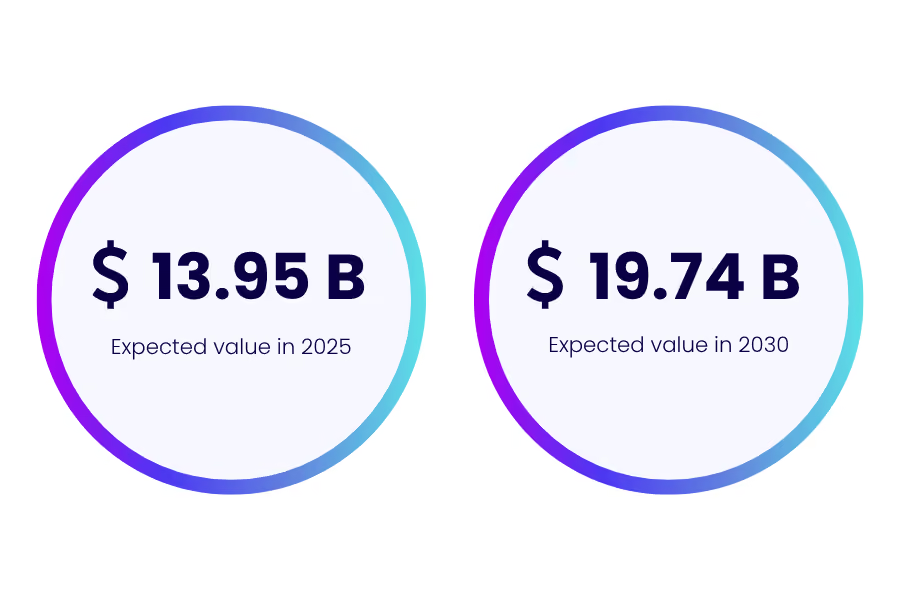
Statista에 따르면, 유럽 모바일 게임 시장은 2025년에 139억 5천만 달러 규모에 달할 것으로 전망되며, 연평균 성장률은 7.19%를 기록할 것으로 예상됩니다. 이에 따라 2030년에는 시장 규모가 197억 4천만 달러에 이를 것으로 예상됩니다.
모바일 게임은 10명 중 7명이 즐기는 등 인기가 가장 높지만, 모바일 게임 업계는 소비자 지출과 매출이 감소하는 추세를 보이고 있다(유럽 미디어 산업 전망). 2024년, 모바일 게임은 비디오 게임 산업 전체 소비자 지출의 26%를 차지했으며, 총액은 56억 달러에 달했다.
여기에는 이유가 있습니다. ‘오픈 이비던스(Open Evidence)’가 유럽연합을 위해 실시한 한 연구에서, 응답자들에게 왜 비디오 게임에 돈을 쓰지 않는지 물었습니다. 그 답변은 다음과 같았습니다:
따라서 일본이나 베트남 같은 지역은 ‘모바일 우선’인 반면, 유럽의 고액 지출 게이머들은 콘솔이나 PC 게임을 선호합니다.
그러나 소비자 지출이 저조한 가운데, 인앱 광고는 성장세를 보이고 있다. 2024년 인앱 광고 시장 규모는 47억 유로에 달했으며, 이는 2023년 대비 13.7% 증가한 수치이다(유럽 미디어 산업 전망).
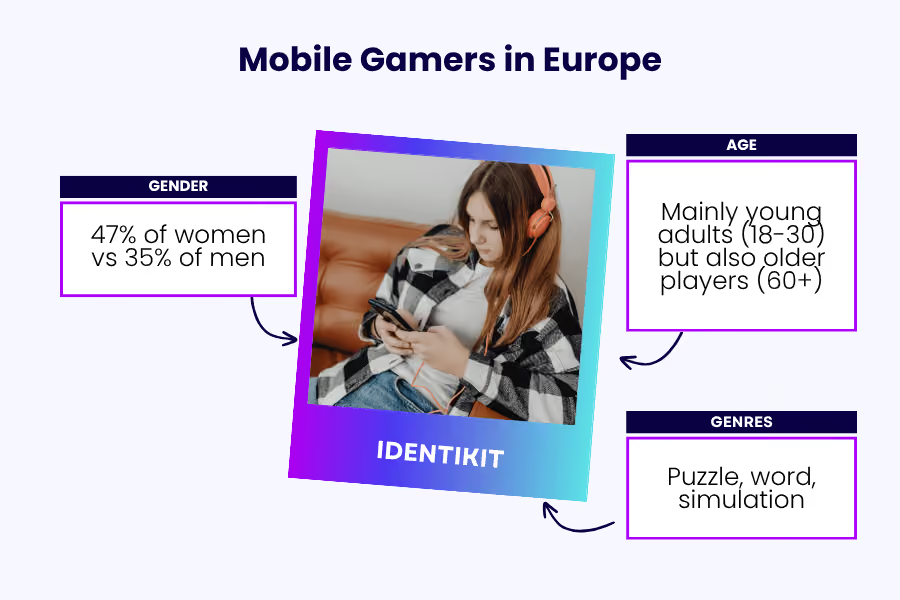
2024년 유럽의 모바일 게임 이용자 수는 약 1억 9,200만 명에 달했습니다. VideoGames Europe에 따르면, 6세에서 64세 사이의 인구 중 54%가 비디오 게임을 즐기며, 이 중 71%는 스마트폰이나 태블릿을 이용합니다.
이 이용자들이 누구인지 자세히 살펴보면 몇 가지 흥미로운 양상이 드러납니다. 유럽의 모바일 게임 시장은 주로 여성들이 주도하고 있습니다. 여성의 약 47%가 스마트폰이나 태블릿으로 게임을 한다고 답한 반면, 남성의 경우 35%에 그쳤습니다 .
연령대를 살펴보면, 모바일 게임은 모든 연령대에서 가장 인기가 높은 것으로 나타났으며, 특히 젊은 성인층(18~30세)이 활성 이용자 중 가장 큰 비중을 차지하고 있습니다. 흥미롭게도 고령층(60세 이상) 의 참여도도 매우 높은데, 60세 이상 이용자의 51%가 정기적으로 모바일 게임을 즐기는 반면, 18~30세 연령대의 경우 35%에 그쳤습니다.
유럽에서 모바일 게임은 치열한 경쟁보다는 사회적 교류와 캐주얼한 즐거움과 더 밀접한 관련이 있습니다. 플레이어들은 사람들과의 유대감, 휴식, 그리고 짧은 시간 동안 즐기는 오락을 중요하게 여깁니다. 특히 여성과 고령층은 퍼즐, 단어, 시뮬레이션 게임에 더 끌리는 반면, 젊은 사용자들은 액션과 전략 장르에 더 큰 관심을 보입니다.
이 섹션에 수록된 인구통계학적 데이터는 ‘미디어 콘텐츠 소비와 관련된 시청자 집단, 소비자 행동 및 선호도에 관한 연구’에서 발췌한 것입니다.
캔디 크러시, 서브웨이 서퍼스, 앵그리 버드에는 어떤 공통점이 있을까요?
이 제품들은 모두 유럽에서 개발되었습니다!
유럽연합(EU) 이사회가 발표한 2025년 보고서에 따르면, EU 전역에서 약 5,300개의 게임 개발 스튜디오와 200개 이상의 퍼블리셔가 운영되고 있다. 이 수치는 콘솔, PC, 모바일 개발을 포함한 유럽 비디오 게임 산업 전체를 반영한 것이다.
여러 유럽 국가들이 게임 산업의 중심지로 자리매김했습니다. 스웨덴은 이 지역을 선도하며 900개 이상의 스튜디오를 보유하고 있고, 꾸준히 전 세계적으로 성공을 거둔 타이틀을 선보이고 있습니다. 핀란드 역시 세계적으로 유명한 모바일 게임 스튜디오와 스타트업이 모여 있는 또 다른 강국이며, 프랑스, 폴란드, 독일 역시 각각 수백 개의 개발사와 퍼블리셔를 지원하고 있습니다.
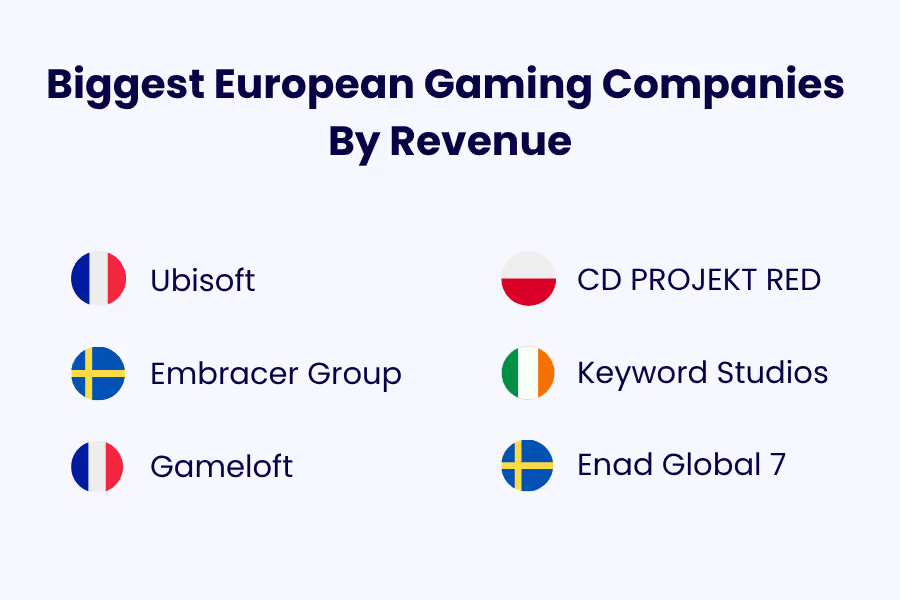
유럽 최대의 게임 기업으로는 유비소프트(프랑스), 엠브레이서 그룹(스웨덴), 게임로프트(프랑스), CD PROJEKT RED(폴란드), 키워드 스튜디오(아일랜드), 에나드 글로벌 7(스웨덴) 등이 있습니다. 이들 기업은 이 지역의 성장을 주도하고 있지만, 대부분은 모바일 게임에만 국한되지 않고 멀티플랫폼 개발에 주력하고 있습니다.
영국, 스페인, 프랑스, 독일, 이탈리아에서 가장 인기 있는 게임 장르를 살펴보면, 다음과 같은 카테고리가 반복적으로 등장하는 것을 알 수 있습니다(Sensor Tower):
이 차트들은 앞서 언급한 내용을 뒷받침해 줍니다. 퍼즐, 시뮬레이션, 아케이드 장르가 다운로드 순위에서 선두를 차지하고 있는데, 이는 유럽의 모바일 유저들이 짧고 접근성이 높으며 부담 없는 게임 경험을 선호한다는 사실을 확인시켜 줍니다.
그럼 이제 2025년의 인기 작품들을 좀 더 자세히 살펴보겠습니다.
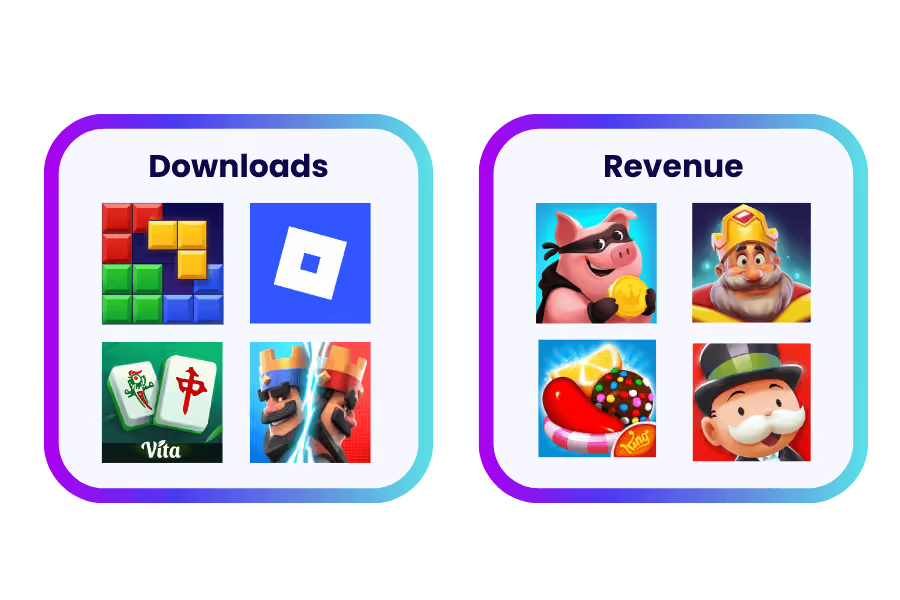
AppMagic의 데이터에 따르면, 2025년 유럽에서 가장 인기 있는 게임은 다음과 같습니다:
유럽의 모바일 게임 시장은 창의성과 상업적 성숙도 사이의 균형이 돋보입니다. 아시아 시장의 규모에는 미치지 못하지만, 여전히 다양하고 수준 높은 유저층과 뛰어난 디자인 인재, 그리고 지속 가능한 성장을 보여주고 있습니다.
앞으로 유럽 모바일 게임 산업은 꾸준한 성장세를 이어갈 것으로 예상됩니다. 개발자들이 모든 연령대의 플레이어를 사로잡을 수 있는 새로운 게임플레이 방식을 모색함에 따라, 혁신은 여전히 주요 성장 동력으로 작용할 것으로 보입니다.
앱 내 광고가 증가세를 보이고 있으며, 무료 플레이 사용자층이 탄탄한 만큼, 수익화 전략은 플레이어의 만족도와 수익성을 조화시키며 더욱 정교해질 것입니다. 유럽 시장에서 게임의 성장을 도모하고 싶으시다면, 지금 바로 저희에게 문의해 주십시오.